 Nørrebro, Copenhagen
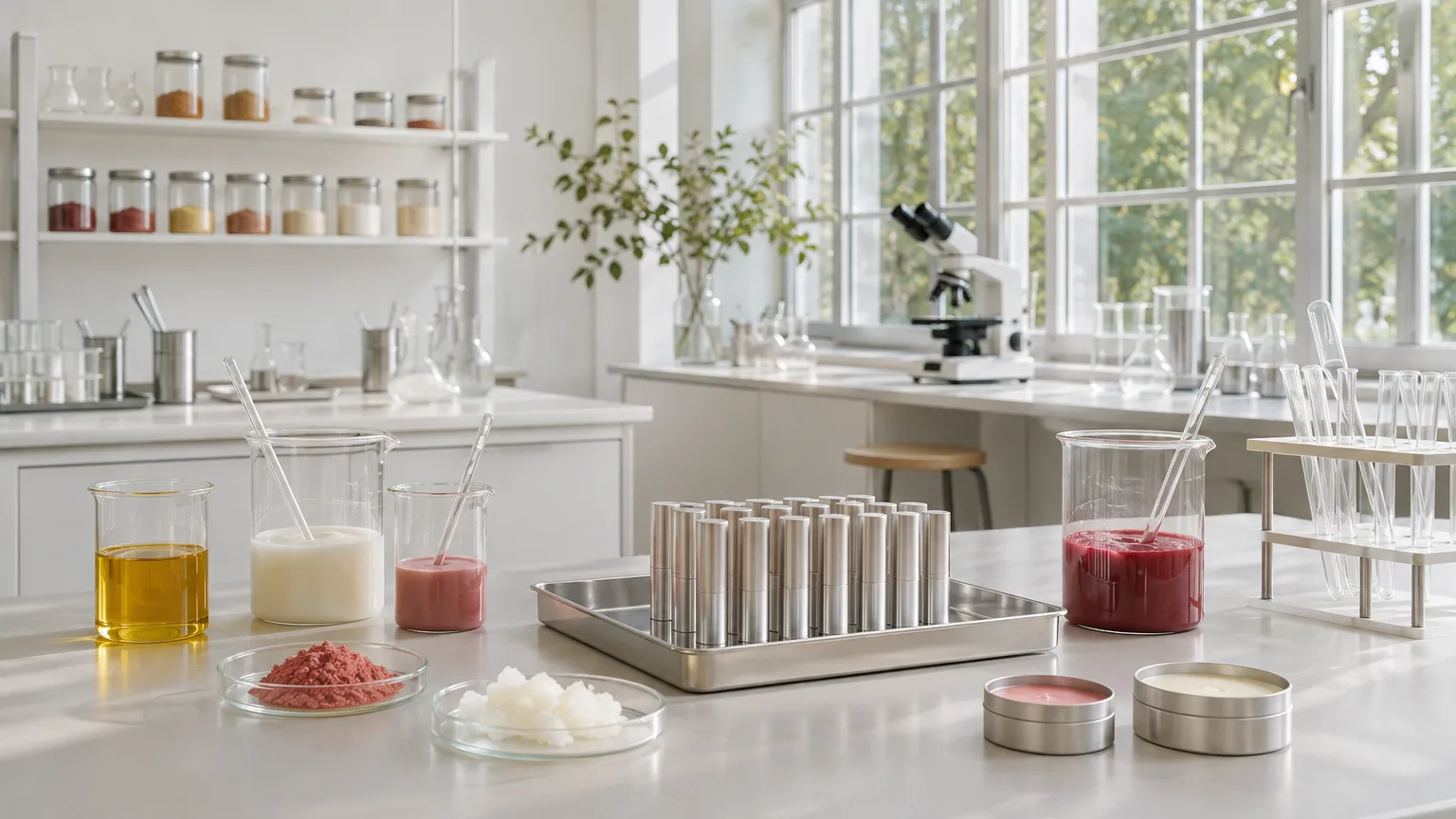
The lab
Every formula and shade, from first beaker to final batch
Our own, since the first Lip Tint
Ingredients we useAbout Tinct
Tinct makes skincare and colour in a small lab in Copenhagen. Every formula prints its percentages on the front, every shade is photographed on three skin tones, and every case is made to be refilled.
We started with one question we kept asking at beauty counters: what does this actually look like on skin like mine? The answer became the store: shades shown on skin before the price, and packaging you keep.
If a serum has 5% niacinamide, the bottle says 5%. Every active, at the strength it works, and the full ingredient list on every product page.
A shade name tells you very little. We photograph every shade on light, medium and deep skin in the same daylight, so you can judge for yourself.
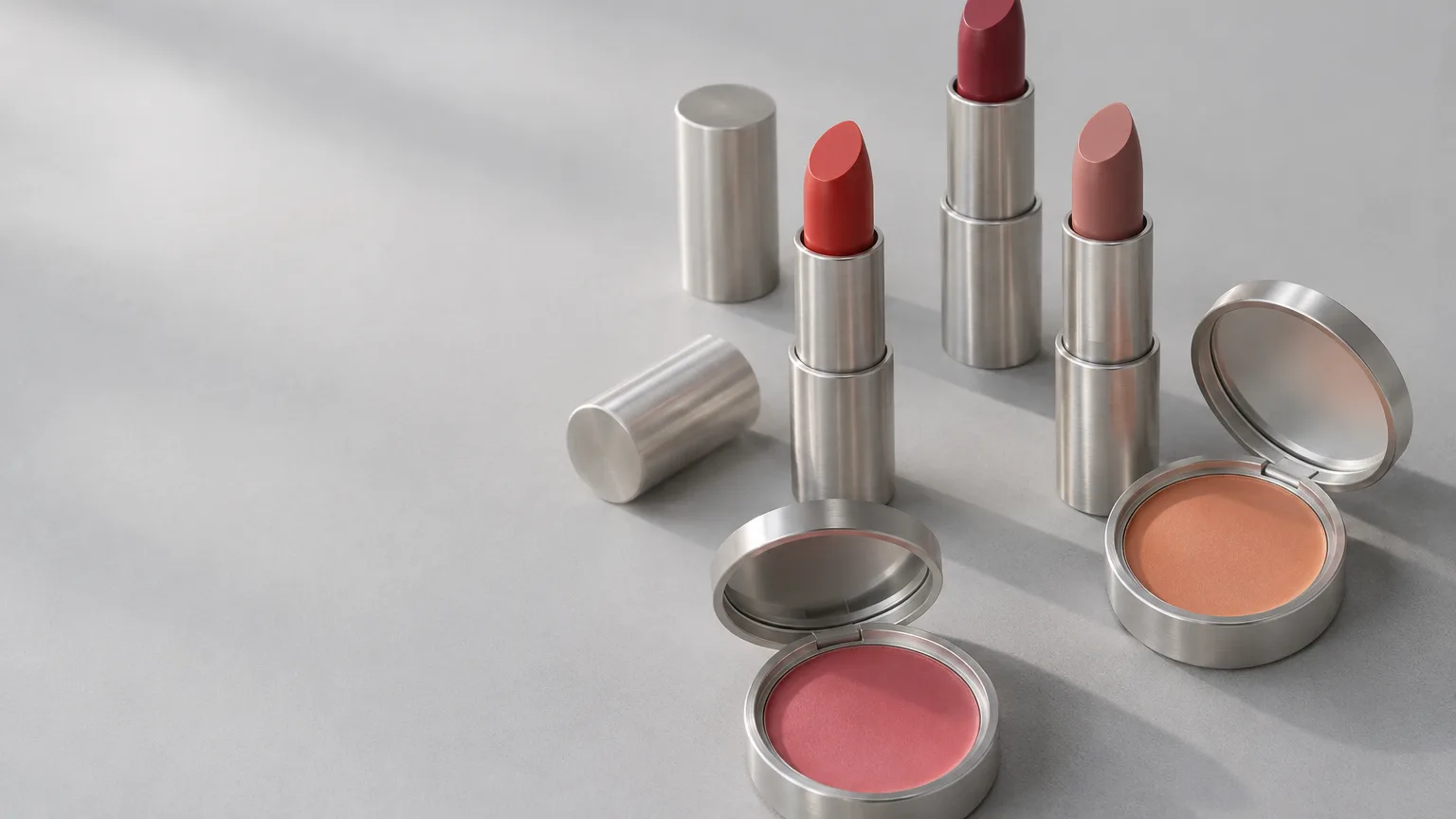
Lip Tint, Cheek Tint and Barrier Cream come in cases made to last for years. Refills cost about a third less and use a fraction of the packaging.
Most formulas take a year from the first beaker to the shop. Here is how a Lip Tint shade is made.
We mix the base and the pigments in small batches in the Copenhagen lab, then adjust until one layer is sheer and two are full.
Every formula is worn by a panel of volunteers with different skin types before it's approved. Anything that stings goes back to the bench.
Each shade is photographed on light, medium and deep skin in the same daylight. If a shade turns grey on deep skin, we change the shade, not the photo.
Filled in Denmark into refill cartridges, clicked into aluminium cases and packed in paper. No plastic fill in the box.
When it runs out, a refill clicks into the same case for $16. The empties come back to us and go to recycling.
The places behind every Tinct product.
Nørrebro, CopenhagenEvery formula and shade, from first beaker to final batch
Our own, since the first Lip Tint
Ingredients we use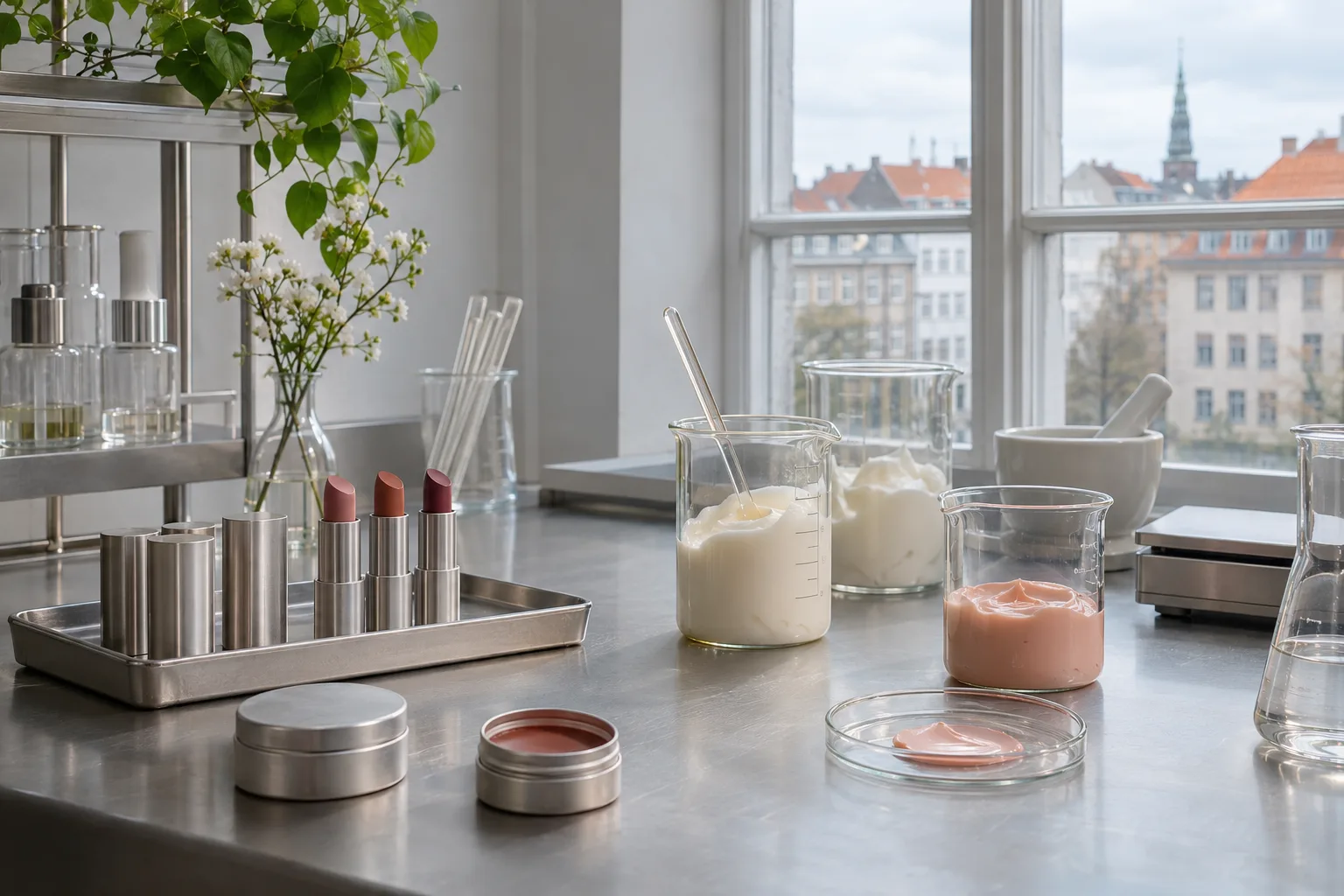 Jutland, Denmark
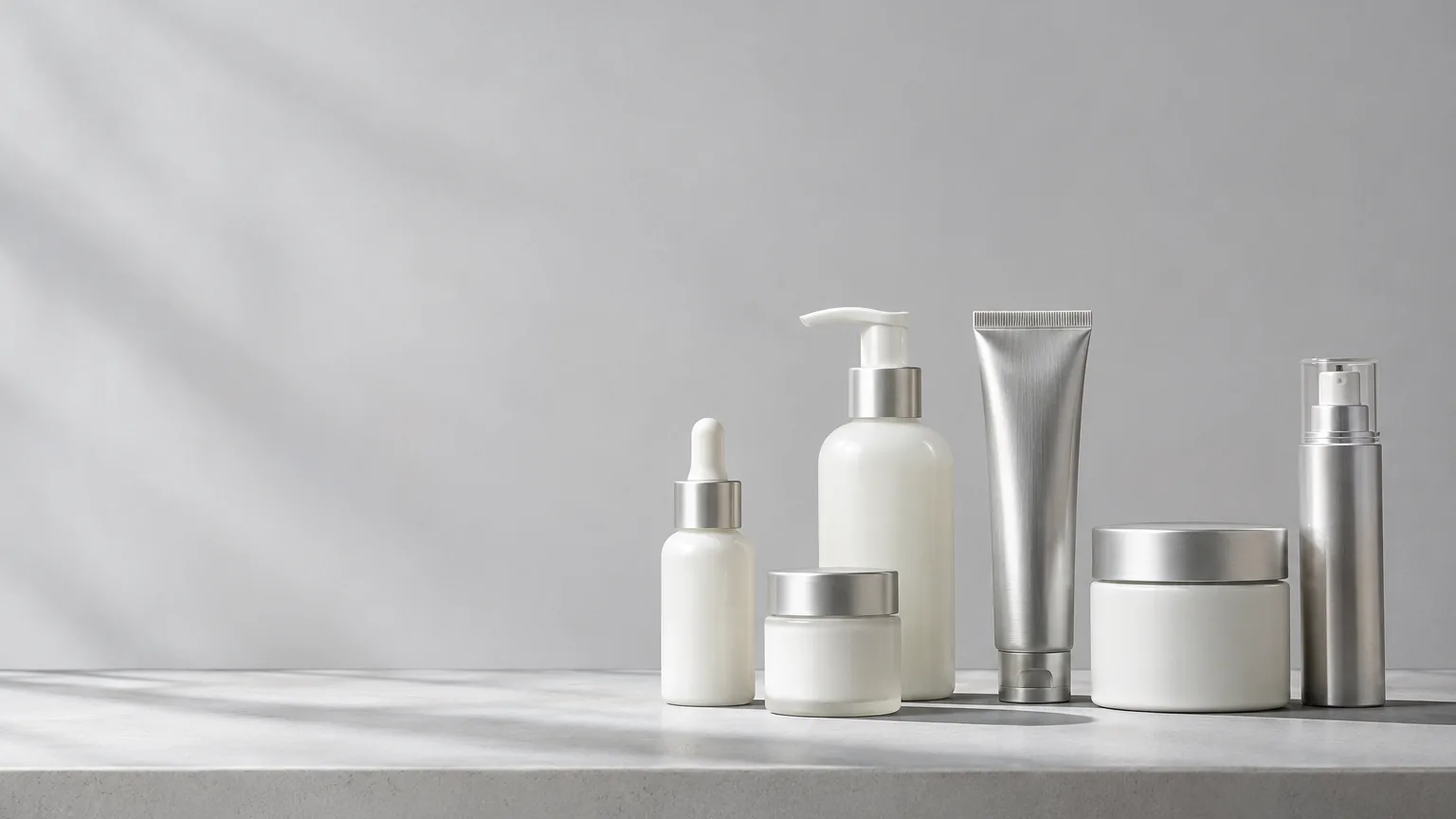
Bottles, jars, tubes and refill cartridges
Filled within a day's drive of the lab
Shop skin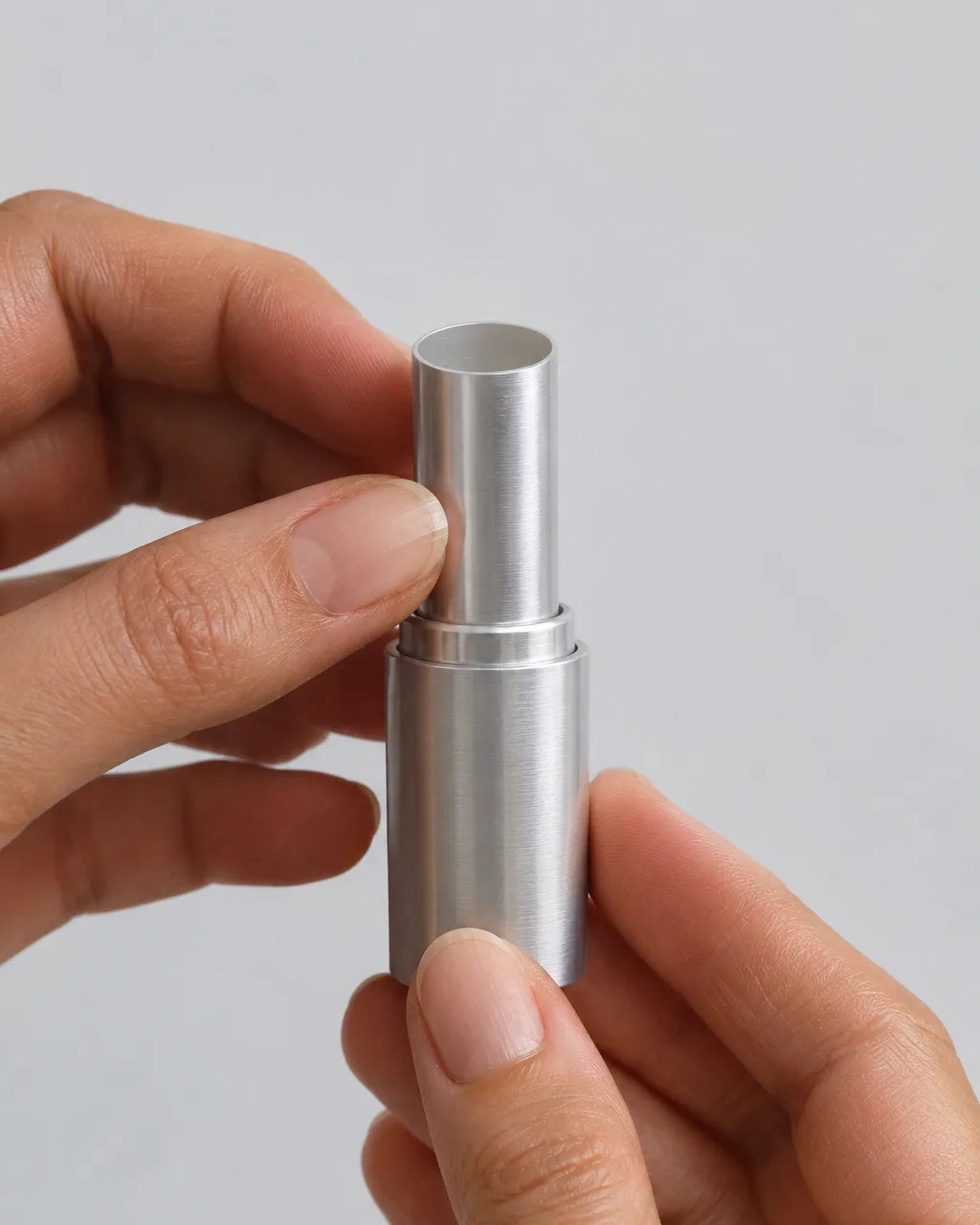 Northern Europe
Brushed aluminium cases for Lip Tint and Cheek Tint
Anodised, recyclable, made to keep
Shop cases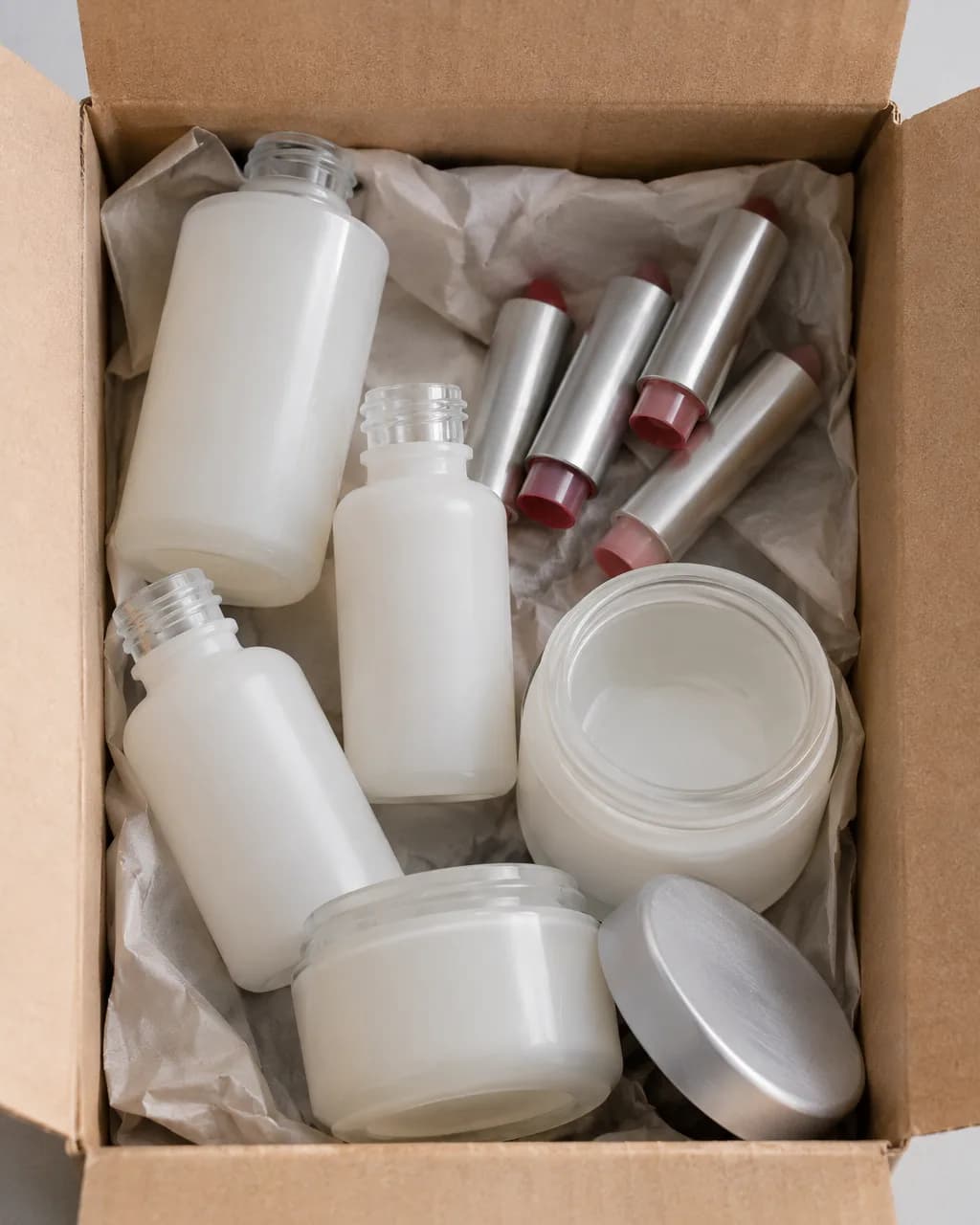 US, UK and EU
Sorting and recycling everything you send back
Glass, aluminium and cartridges each go their own way
Empties backEmpties back
Any Tinct packaging counts: cartridges, pans, pods, pouches, bottles, jars and tubes. Rinse them if you can; you don't have to.
We would rather tell you than leave it out. These are the parts of Tinct we haven't solved yet.
Lip Tint refills sit in a small plastic cartridge inside a paper sleeve. It's a fifth of the old packaging, but it isn't none. Empties back recycles them separately.
Sunscreen needs an airtight pack to stay stable, so Mineral SPF still comes in a new bottle each time. We're testing a refillable one.
A case only pays off if you keep it and refill it. That's why refills cost a third less than a new case: keeping it should be the obvious choice.